





Micro Electro Mechanical Systems
Synopsis
Microelectromechanical systems (MEMS) and 'neural dust' — DARPA and UC Berkeley's millimeter-scale sensors: Berkeley Smart Dust (2001), dust-sized in-body sensors (2016), and Hitachi's honey-bee-sized RFID chips.
Overview
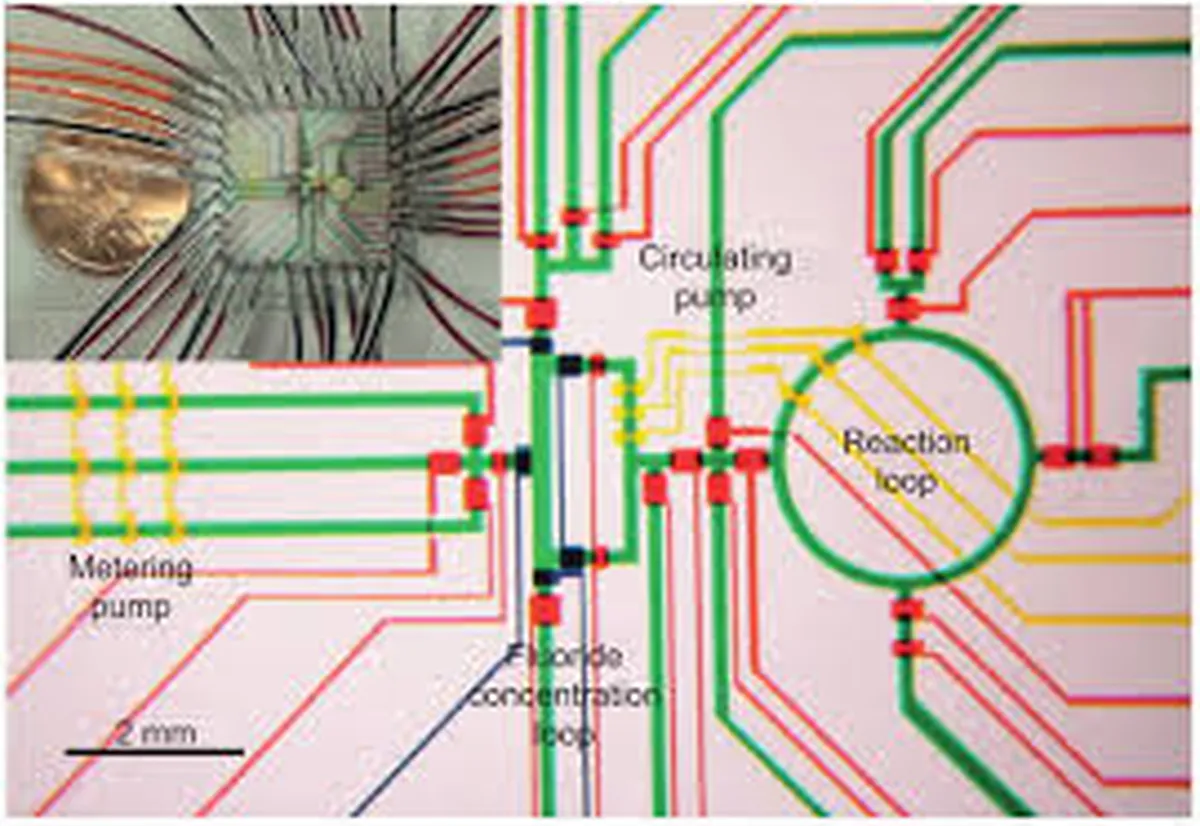
Microelectromechanical systems (MEMS) — also called nano-machines — combine micro-scale mechanical structures with electronics on a single substrate. Building on this work, DARPA and UC Berkeley developed what became known as neural dust: sensors small enough to rest on a single nerve or muscle fiber.
Berkeley & DARPA, 2001 — autonomous sensing in a cubic millimeter
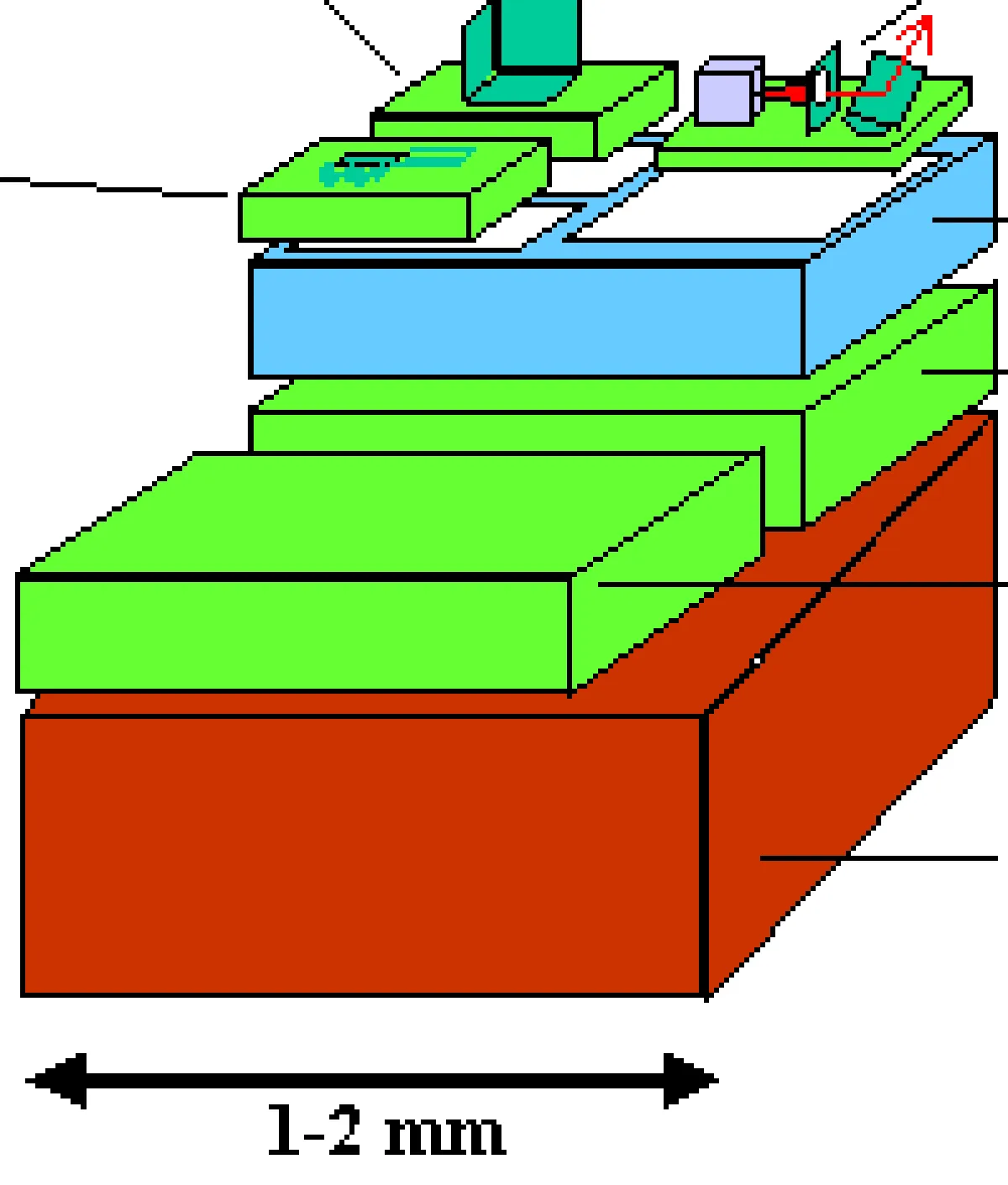
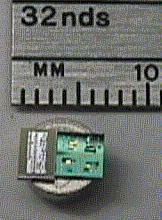
UC Berkeley completed its initial Smart Dust project in 2001, demonstrating autonomous sensing and communication within a single cubic millimeter.
- Principal investigator: Kris Pister
- Co-investigators: Joe Kahn, Bernhard Boser
- Subcontract: Steve Morris, MLB Co.
- Support: DARPA/MTO MEMS program
Berkeley & DARPA, 2016 — dust-sized in-body sensors
Berkeley engineers created the first dust-sized sensor that can be implanted in the human body. The device, about the size of a large grain of sand, uses ultrasound — which can penetrate nearly anywhere in the body — to power and read out measurements. The sensor contains a piezoelectric crystal that converts ultrasound vibrations from outside the body into electricity to power a tiny, on-board transistor that is in contact with a nerve or muscle fiber. The sensor could monitor internal nerves, muscles, or organs in real time, as well as stimulate nerves and muscles — possibly leading to new treatments for epilepsy, immune-system disorders, or inflammation. The technology may also lead to improved brain–machine interfaces and better brain control of prosthetics.
Electrical engineering and computer sciences professors Michel Maharbiz and Jose Carmena are the study's main authors; graduate students Dongjin Seo, Ryan Neely, and Konlin Shen, undergraduate Utkarsh Singhal, and professors Elad Alon and Jan Rabaey co-authored the study.
Funded by the DARPA/MTO MEMS program. Further reading: Neural Dust — Berkeley Engineering.
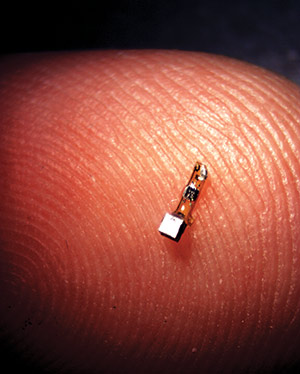
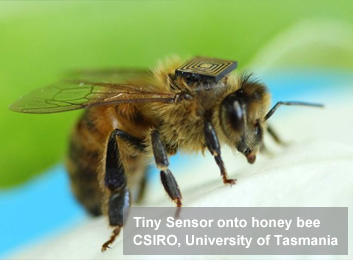
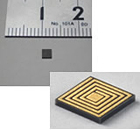
Hitachi RFID
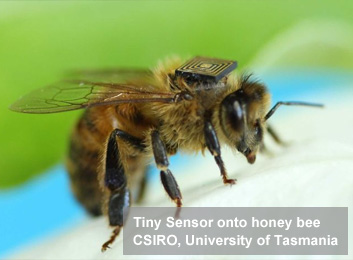
The tag is an ultra-small UHF tag with a built-in antenna, high durability, and high productivity, and is readable directly by a standard UHF reader with high reliability in harsh environments. Its read range is easily extended with a booster antenna, so the tag serves not only as a tag itself but also as a material for other kinds of tags — near-metal, in-molding, heavy-industry, and more. At 2.5 mm square, the tag is small enough to sit on a honey bee, and each customer can design a suitable tag for their own application.
- RFID Technologies, Applications & the Future (PDF) — Hitachi
- (PDF) Hitachi: RFID Technologies, Applications, & Future
- hitachi-chem.co.jp
MEMS papers & documents
The papers, fact sheets and reports collected for this page — Smart Dust, Sandia MEMS and microresonators, thermal actuators, nanoparticle synthesis and toxicity — each with its own viewer. Click a cover to open the document.
| Document | Description | Viewer | |
|---|---|---|---|
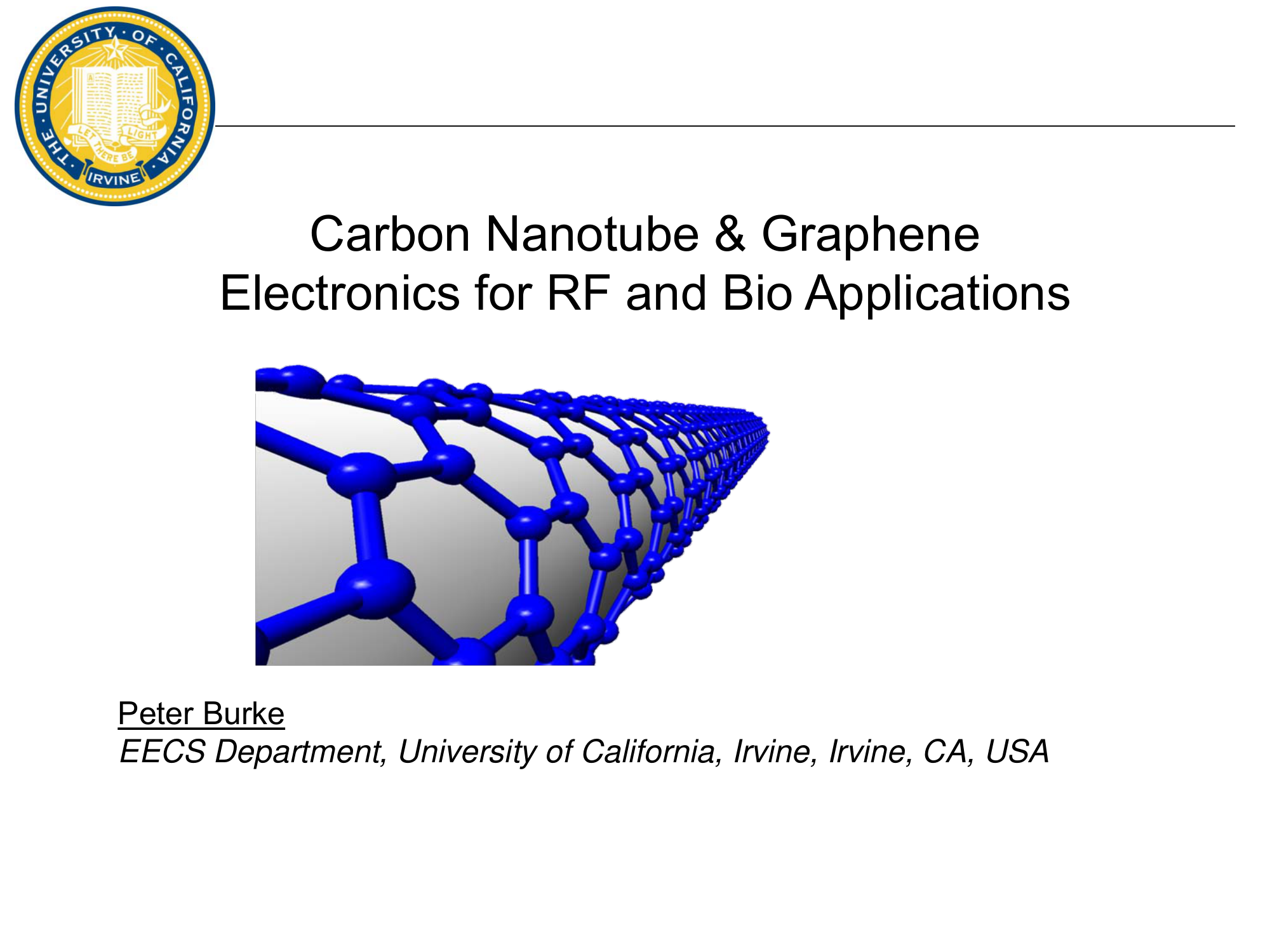
| Carbon Nanotube & Graphene Electronics for RF and Bio Applications | Peter Burke, EECS Department, University of California, Irvine — slide deck on nanotube and graphene electronics, ballistic vs. diffusive transport. | Open | |
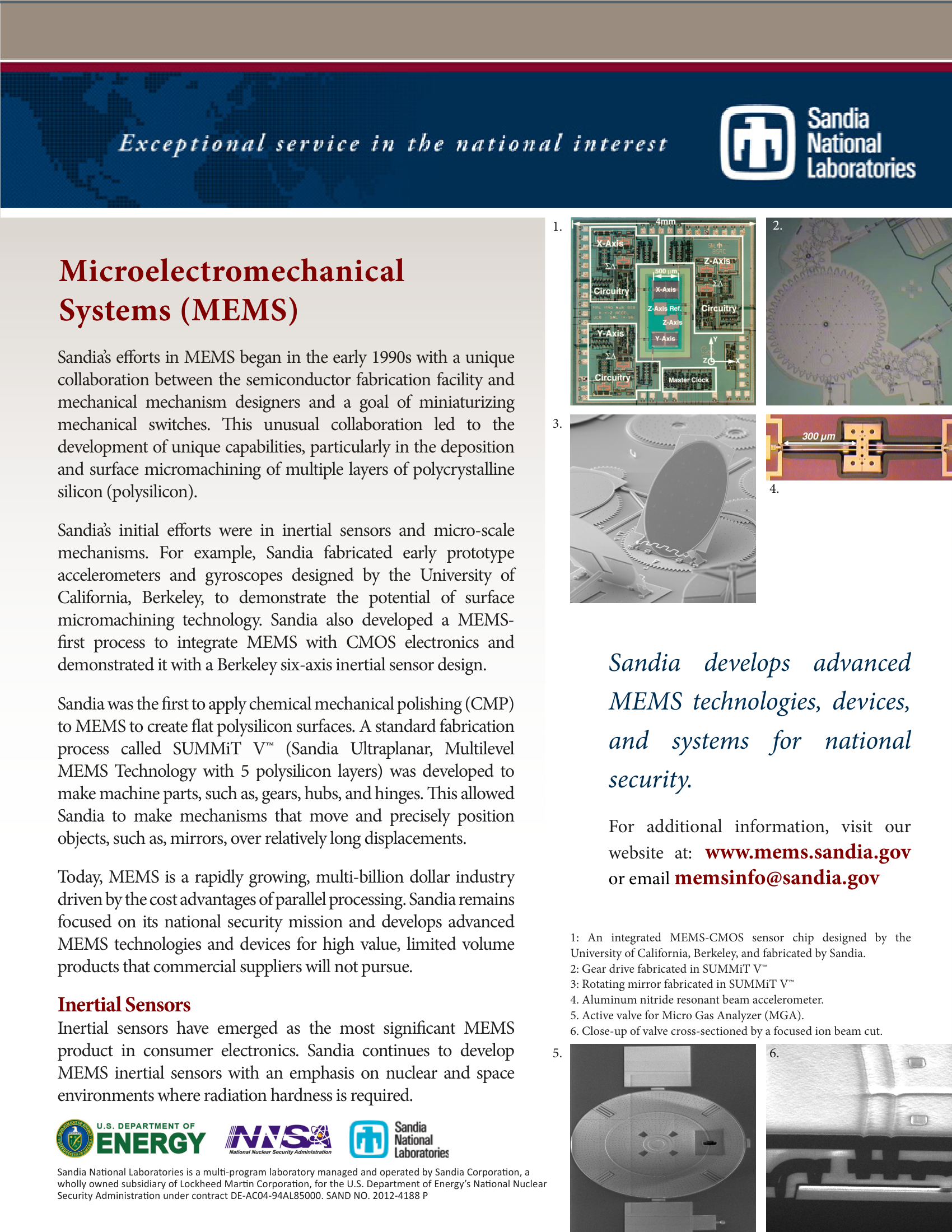
| Microelectromechanical Systems (MEMS) — Fact Sheet, SAND2012-4188P | Sandia National Laboratories. Sandia's MEMS work began in the early 1990s; covers inertial sensors for nuclear and space environments and microfluidic devices. | Open | |
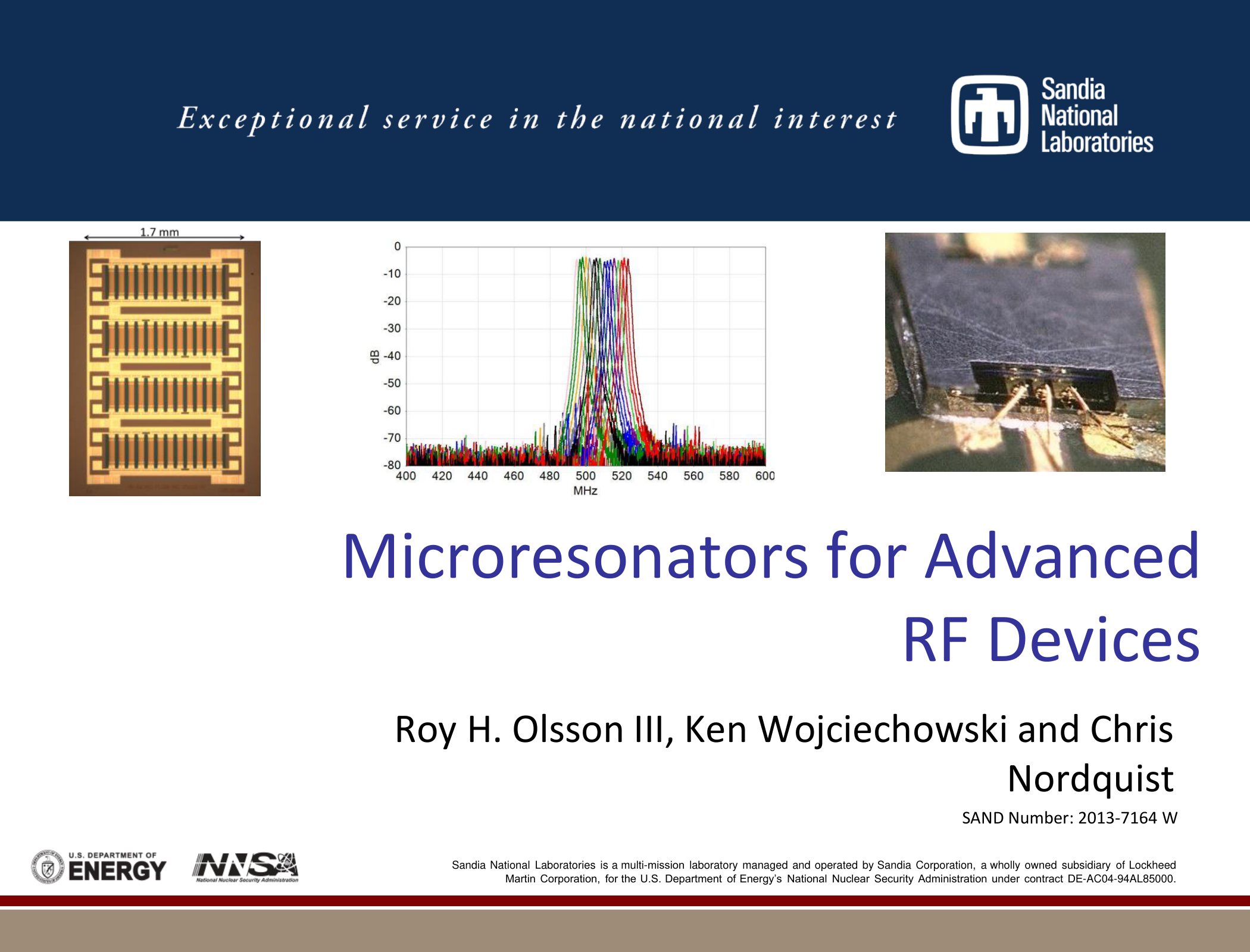
| Microresonators for Advanced RF Devices | Roy H. Olsson III, Ken Wojciechowski and Chris Nordquist, Sandia National Laboratories (SAND2013-7164W) — 16-channel microresonator filter banks for cognitive and multi-band radios. | Open | |
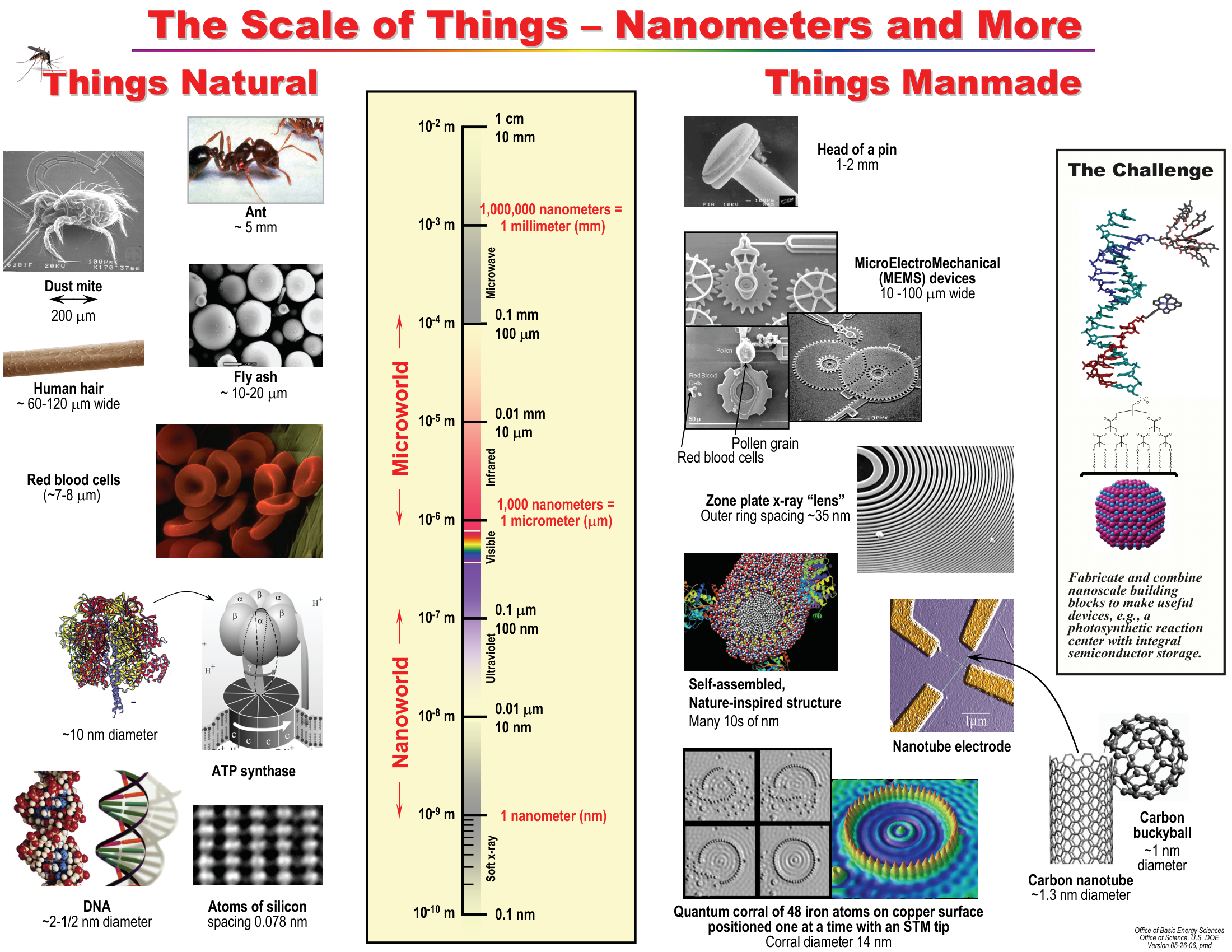
| The Scale of Things – Nanometers and More | U.S. DOE Office of Basic Energy Sciences chart (from the Nanomaterial Laboratory Safety course) — things natural and things man-made from the head of a pin down to silicon atoms; MEMS devices at 10–100 µm. | Open | |
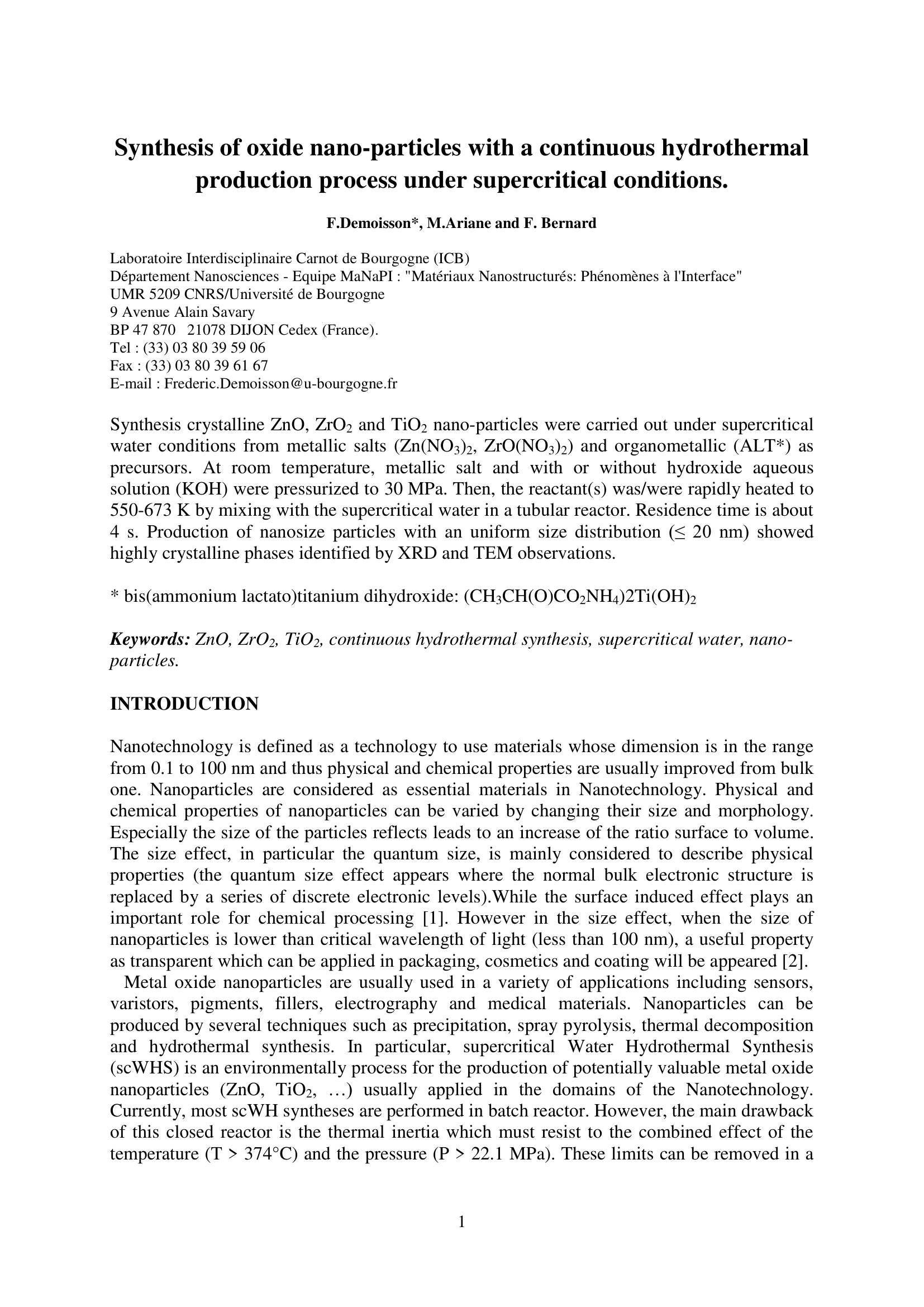
| Synthesis of oxide nano-particles with a continuous hydrothermal production process under supercritical conditions | F. Demoisson, M. Ariane and F. Bernard, ICB, Université de Bourgogne — crystalline ZnO, ZrO2 and TiO2 nano-particles (≤ 20 nm) grown in supercritical water. | Open | |
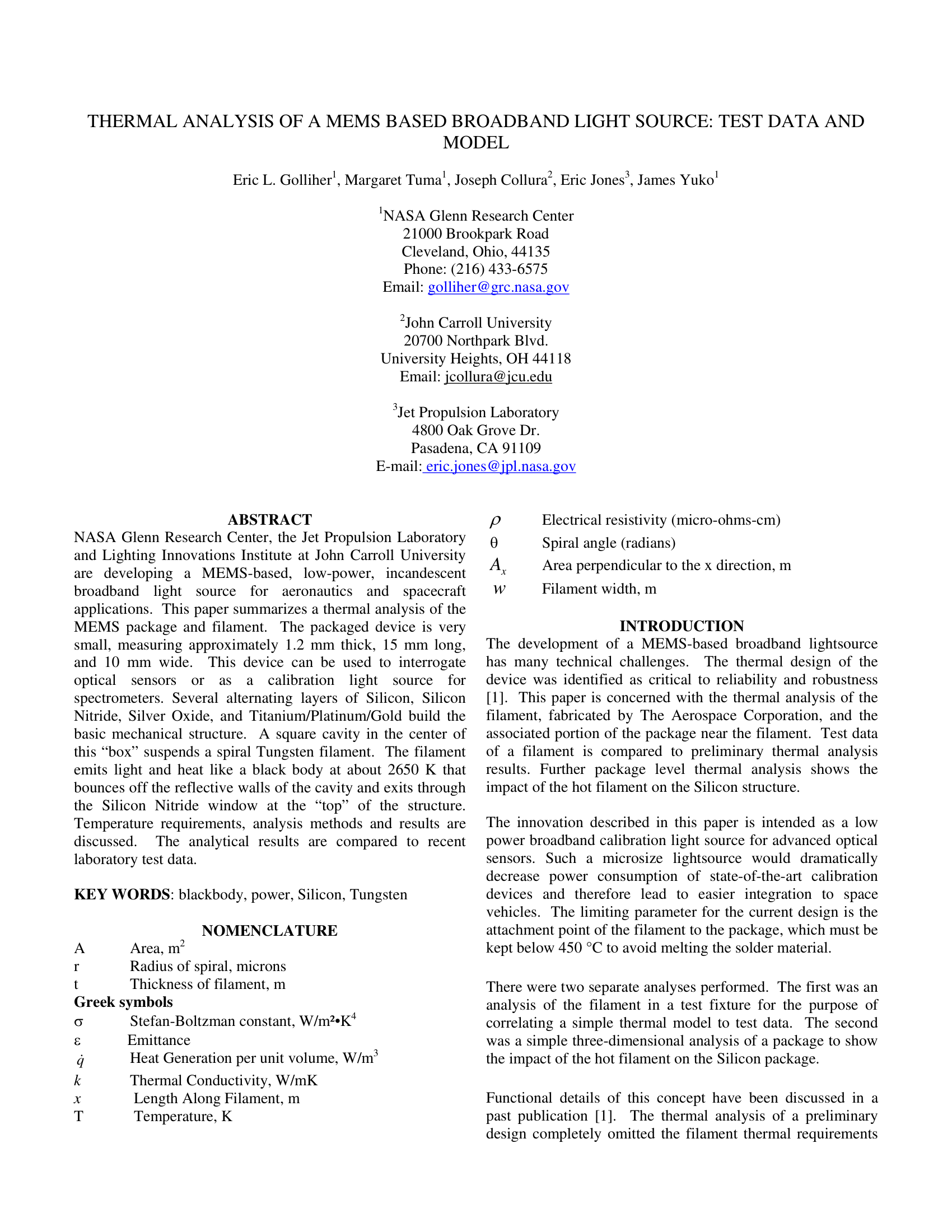
| Thermal Analysis of a MEMS Based Broadband Light Source: Test Data and Model | Eric L. Golliher et al., NASA Glenn Research Center, John Carroll University and JPL — thermal analysis of a MEMS-based low-power incandescent light source (1.2 × 15 × 10 mm package, spiral tungsten filament at ~2650 K). | Open | PDF · Google Drive copy |
| Final Report: Compliant Thermo-Mechanical MEMS Actuators (LDRD #52553) | Sandia National Laboratories, Albuquerque NM / Livermore CA. | Open | |
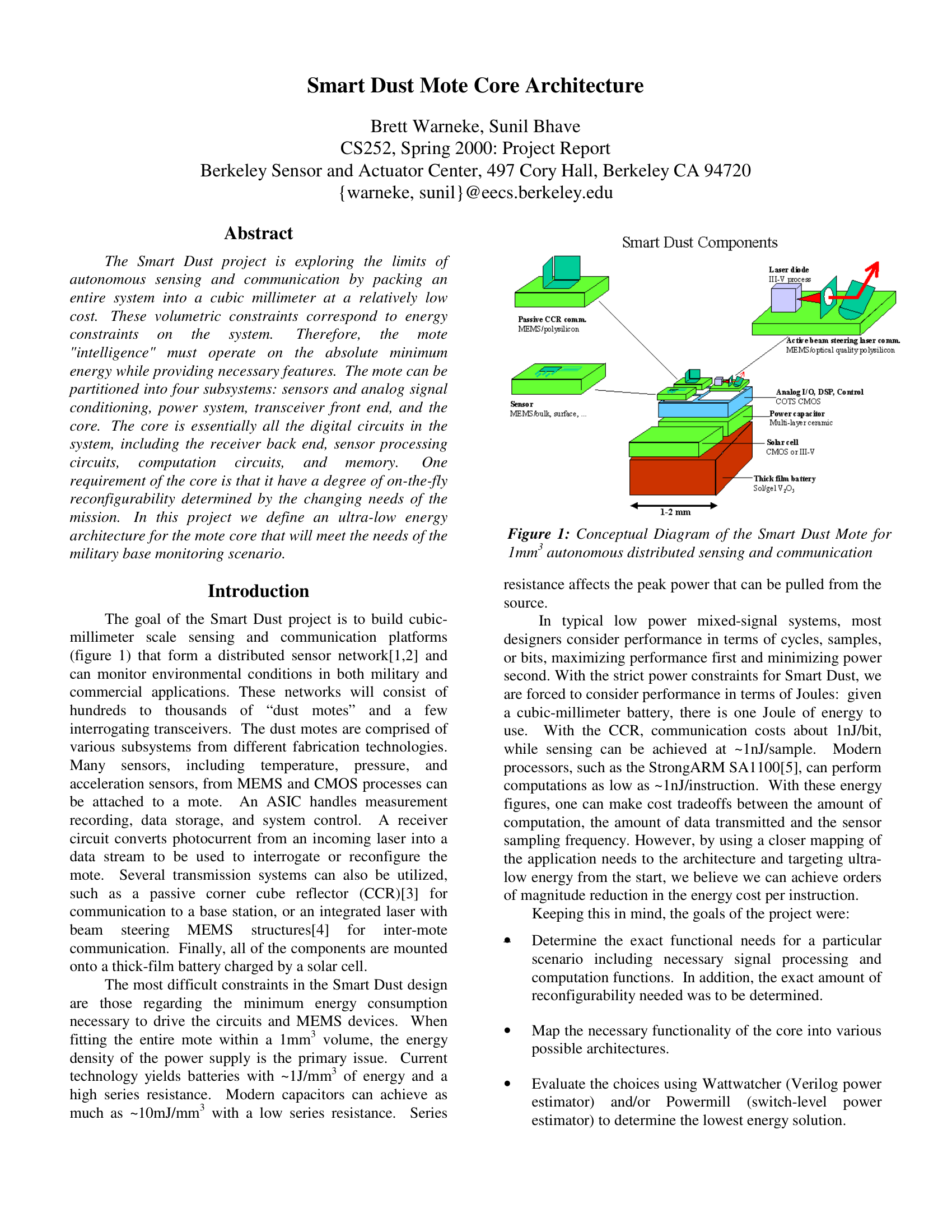
| Smart Dust Mote Core Architecture | Brett Warneke and Sunil Bhave, CS252 Spring 2000 project report, Berkeley Sensor and Actuator Center — an ultra-low-energy core architecture for a cubic-millimeter mote. | Open | |
| US20160324478A1 — Biometric, Physiological or Environmental Monitoring Using a Closed Chamber | US patent application publication, Steven Wayne Goldstein, Delray Beach FL (pub. Nov. 10, 2016) — a monitoring device for insertion into a conduit of a subject, with physiological sensor, transmitter, expandable element, power source and processor. No local copy; cover only. | Cover | Google Patents |
| The chemical, mechanical, and physical properties of 3D printed materials composed of TiO2-ABS nanocomposites | Matthew R. Skorski, Jake M. Esenther, Zeeshan Ahmed, Abigail E. Miller and Matthew R. Hartings (2016), Department of Chemistry, American University — Taylor & Francis. | Open | |
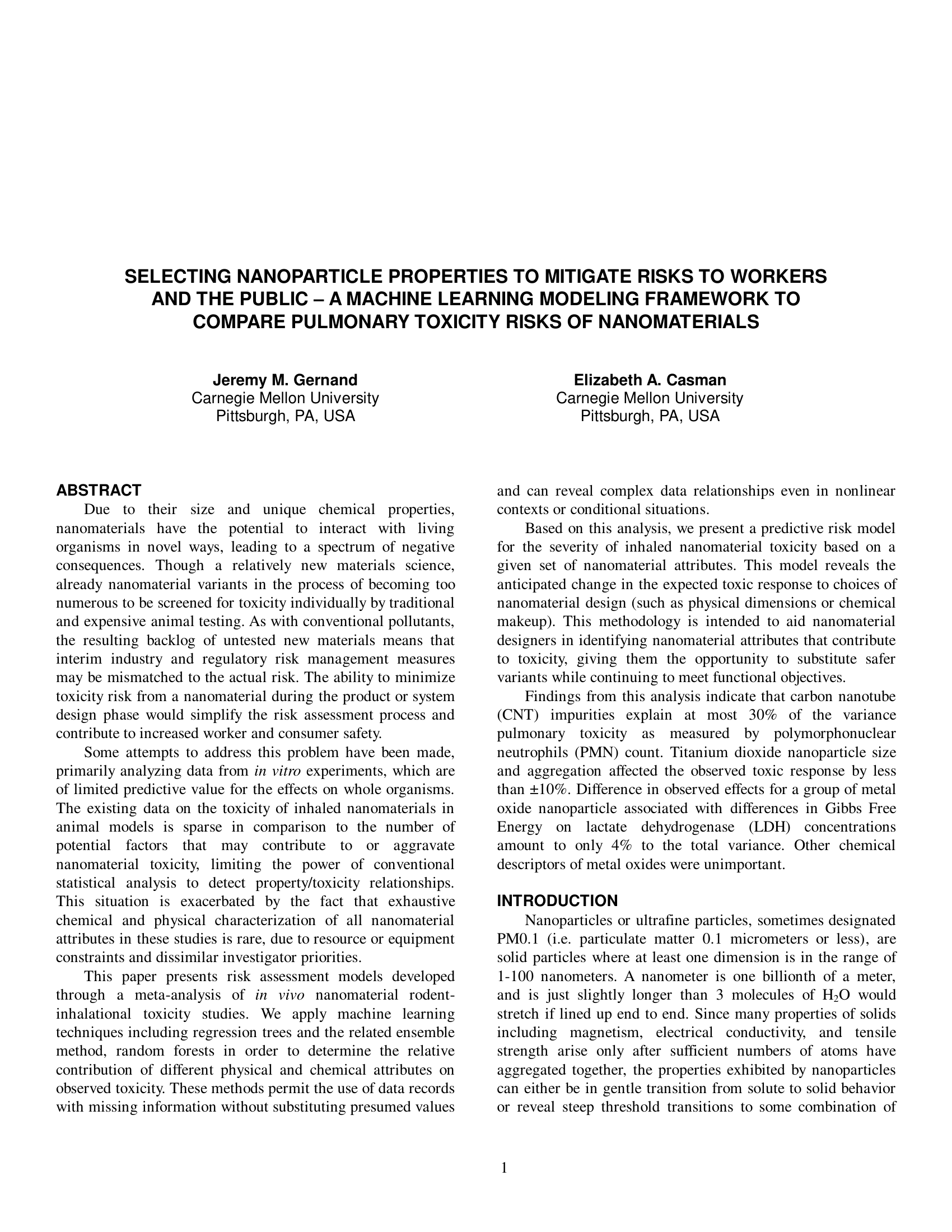
| Selecting Nanoparticle Properties to Mitigate Risks to Workers and the Public – A Machine Learning Modeling Framework to Compare Pulmonary Toxicity Risks of Nanomaterials | Jeremy M. Gernand and Elizabeth A. Casman, Carnegie Mellon University — risk models built from a meta-analysis of in-vivo rodent inhalation studies using regression trees and random forests. | Open | |
| Superparamagnetic nanoparticles for biomedical applications | Margarethe Hofmann-Amtenbrink, Brigitte von Rechenberg and Heinrich Hofmann — book chapter (Transworld Research Network). | Open | |
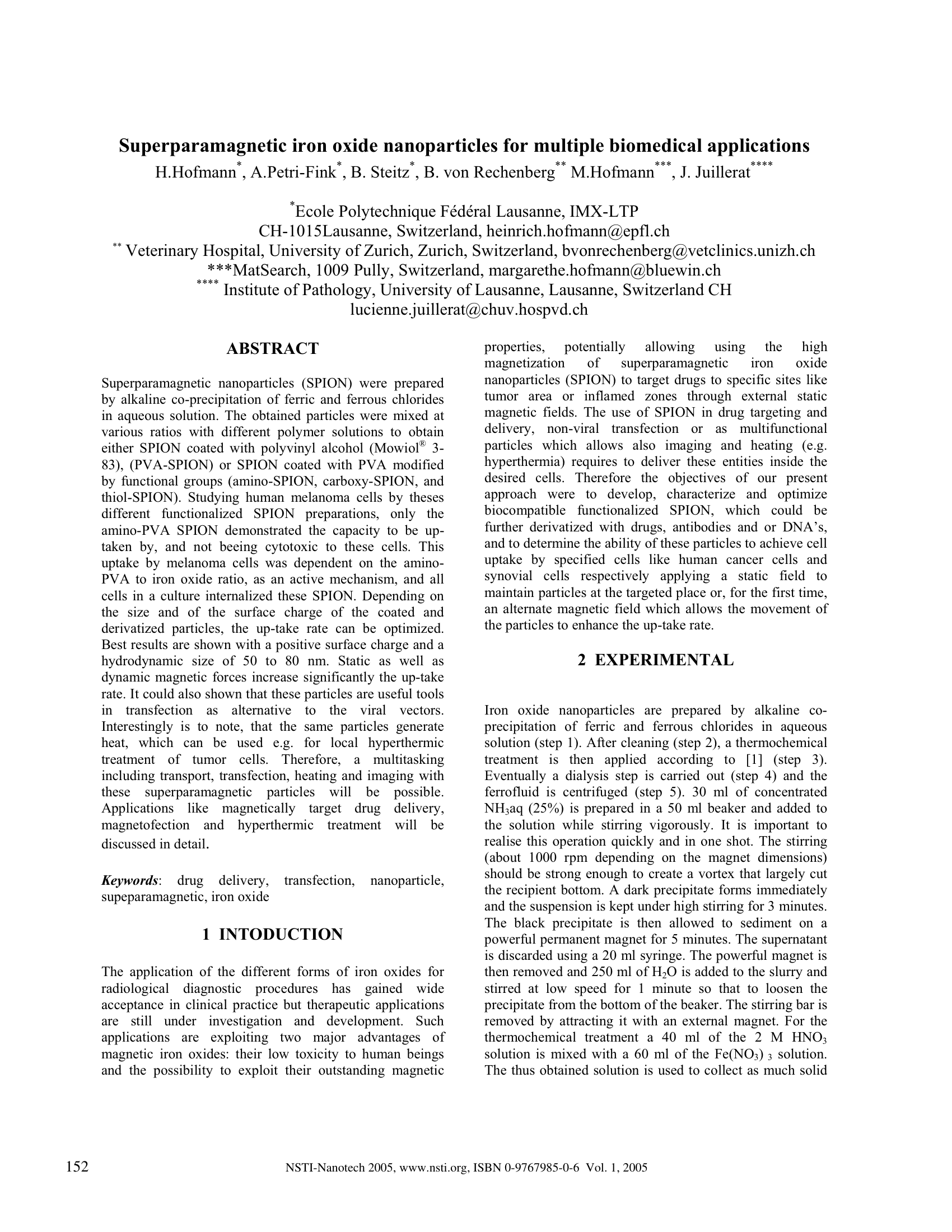
| Superparamagnetic iron oxide nanoparticles for multiple biomedical applications | H. Hofmann, A. Petri-Fink, B. Steitz, B. von Rechenberg, M. Hofmann and J. Juillerat, EPFL / University of Zurich — iron oxide nanoparticles prepared by alkaline co-precipitation of ferric and ferrous chlorides. | Open | |
| Cantilevers-on-membrane design for broadband MEMS piezoelectric vibration energy harvesting | Yu Jia et al., J. Phys.: Conf. Ser. 660 (2015) 012030, PowerMEMS 2015. | Open | |
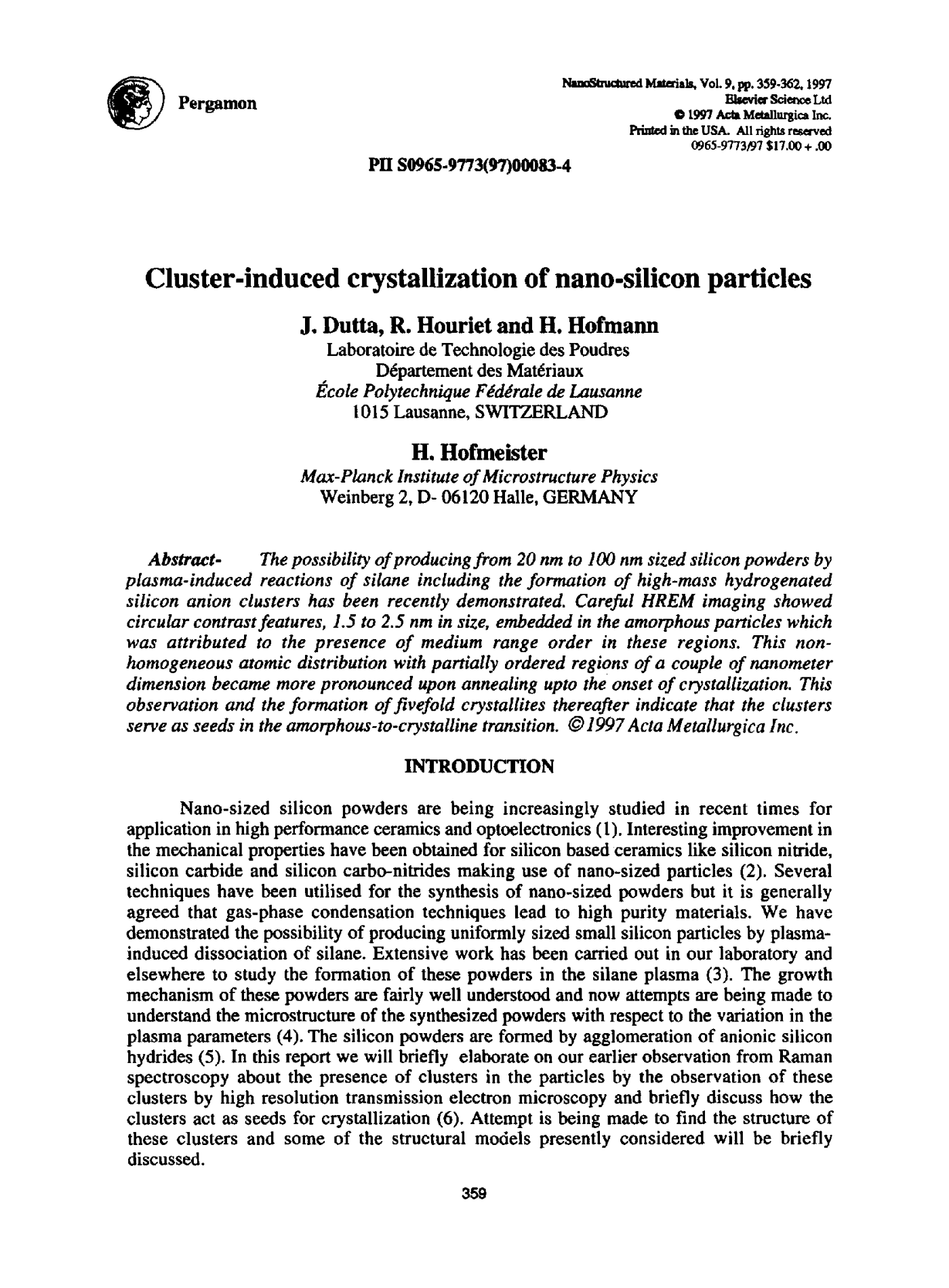
| Cluster-induced crystallization of nano-silicon particles | J. Dutta, R. Houriet and H. Hofmann (EPFL) and H. Hofmeister (Max-Planck Institute of Microstructure Physics), NanoStructured Materials Vol. 9, pp. 359–362, 1997. | Open |
Browse the full collection in the MEMS document gallery.
Julian Assange on "evil intelligent dust"
Related: Micro Fluidics · Sommerfeld-Goubau Overview
Note: YouTube videos may not load if tracking protection is enabled.
Sources

Related videos
 ▶ video
 ▶ video
 ▶ video
 ▶ video
 ▶ video
 ▶ video
 ▶ video
 ▶ video
 ▶ video
 ▶ video
 ▶ video
 ▶ video
Related documents
 PDF
PDF PDF
PDF PDF
PDF PDF
PDF PDF
PDF PDF
PDF PDF
PDF PDF
PDF PDF
PDF PDF
PDF PDF
PDF PDF
PDF