





Ivermectin: Parasitic and Cancer Pathways
Synopsis
Ivermectin — its biochemical roles, mechanisms of action, and potential implications in cancer and energy metabolism. | The Daily Dialectics | TDD
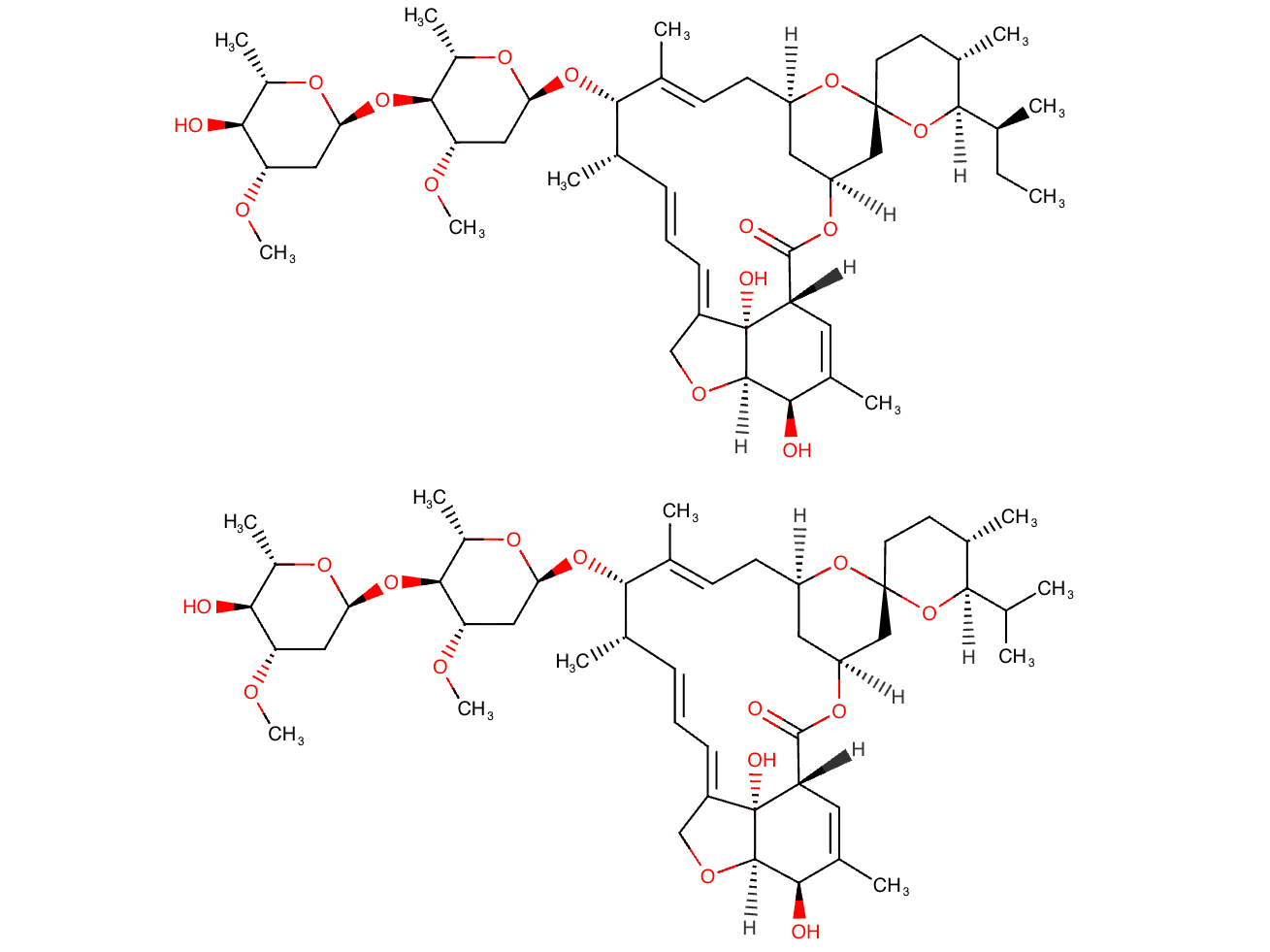
Ivermectin
Type: Antiparasitic agent
Uses:
Treats parasitic infections such as strongyloidiasis (intestinal worms) and onchocerciasis (river blindness).
Effective against ectoparasites like head lice and scabies.
In veterinary medicine, widely used for treating livestock and pets.
Mechanism of Action: Binds to glutamate-gated chloride channels in invertebrate nerve and muscle cells, increasing chloride ion permeability leading to paralysis and death of parasites.
Safety and Side Effects:
Generally well-tolerated.
Common side effects: nausea, diarrhea, dizziness, and rashes.
Caution is needed during heavy infestations to manage inflammatory reactions from parasite die-off.
Key Points:
Cytolysis—the destruction of the outer cell membrane—may have implications in protecting glutamate in the cytosol. This protection supports neurotransmitter functions and serves as a precursor for glutathione synthesis, impacting cancer and neurological health.
Glutamine metabolism, crucial for tumor growth, highlights the importance of regulating cytosolic activity to potentially limit cancer development.
Sources: