





thiabendazole: Parasitic, antifungal and Cancer Pathways
Synopsis
An analytical overview of Thiabendazole — its biochemical roles, mechanisms of action, and potential implications in cancer and energy metabolism. | The Daily Dialectics | TDD
Thiabendazole
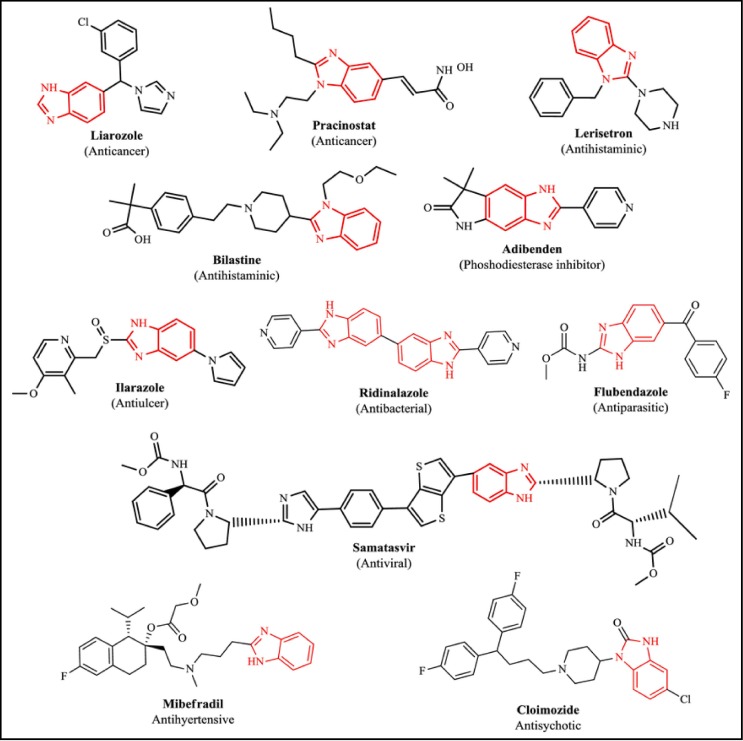
Type: Benzimidazole antifungal and antiparasitic agent
Uses:
Treats parasitic infections such as strongyloidiasis and cutaneous larva migrans.
Agricultural use: Prevents fungal growth on fruits and vegetables post-harvest.
Mechanism of Action: Inhibits microtubule synthesis in parasites, impairing glucose uptake and energy production.
Safety and Side Effects:
Common: Gastrointestinal discomfort (nausea, vomiting), dizziness, headache.
Rarely used today due to better-tolerated alternatives like albendazole and ivermectin.
Key Points:
Cancer cells require glucose from the host for survival and growth. Thiabendazole's inhibition of glucose pathways in parasites parallels potential implications for energy metabolism in cancer.
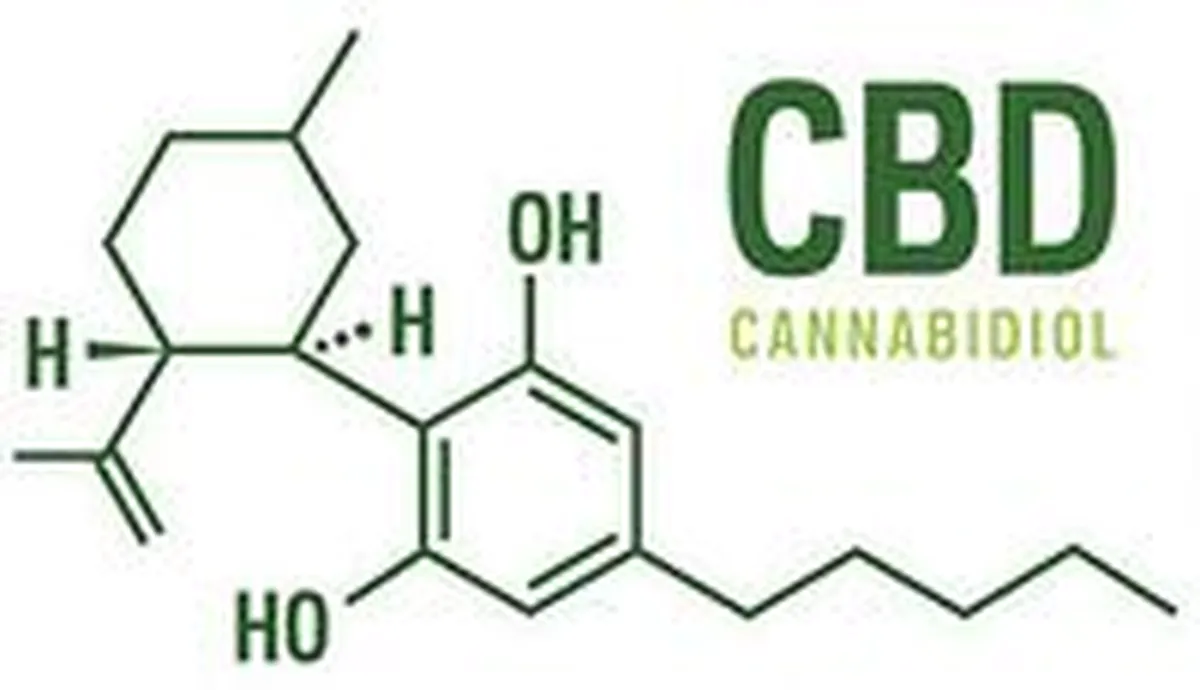
A 2006 study suggests cannabinoid receptor stimulation may regulate energy homeostasis, influencing both glucose metabolism and insulin release.
Related and Co-Applications:
"Endocannabinoid Role in Energy Homeostasis"
Cancer, as well its host, need glucose for nourishment, however the ratios of glucose needed for each organism to function are drastically different. Our bodies turn carbohydrates into glucose as it is the most essential sugar, providing energy to our systems. In turn, the cancer feeds off of the product of that same metabolic process, transferred to the cancer cells via the cardiovascular system of its host.
A study from 2006 found that “β-cells exposed to high glucose levels in the presence of cannabinoid receptor stimulation appeared to promote insulin release, an effect that was reversed by rimonabant but not CB2 receptor antagonists.” This suggests endocannabinoids play a direct role in energy homeostasis—the coordinated regulation of food intake and energy expenditure.