





Methylene Blue: Parasitic and Cancer Pathways
Synopsis
An analytical overview of Methylene Blue — its biochemical roles, mechanisms of action, and potential implications in cancer and energy metabolism. | The Daily Dialectics | TDD
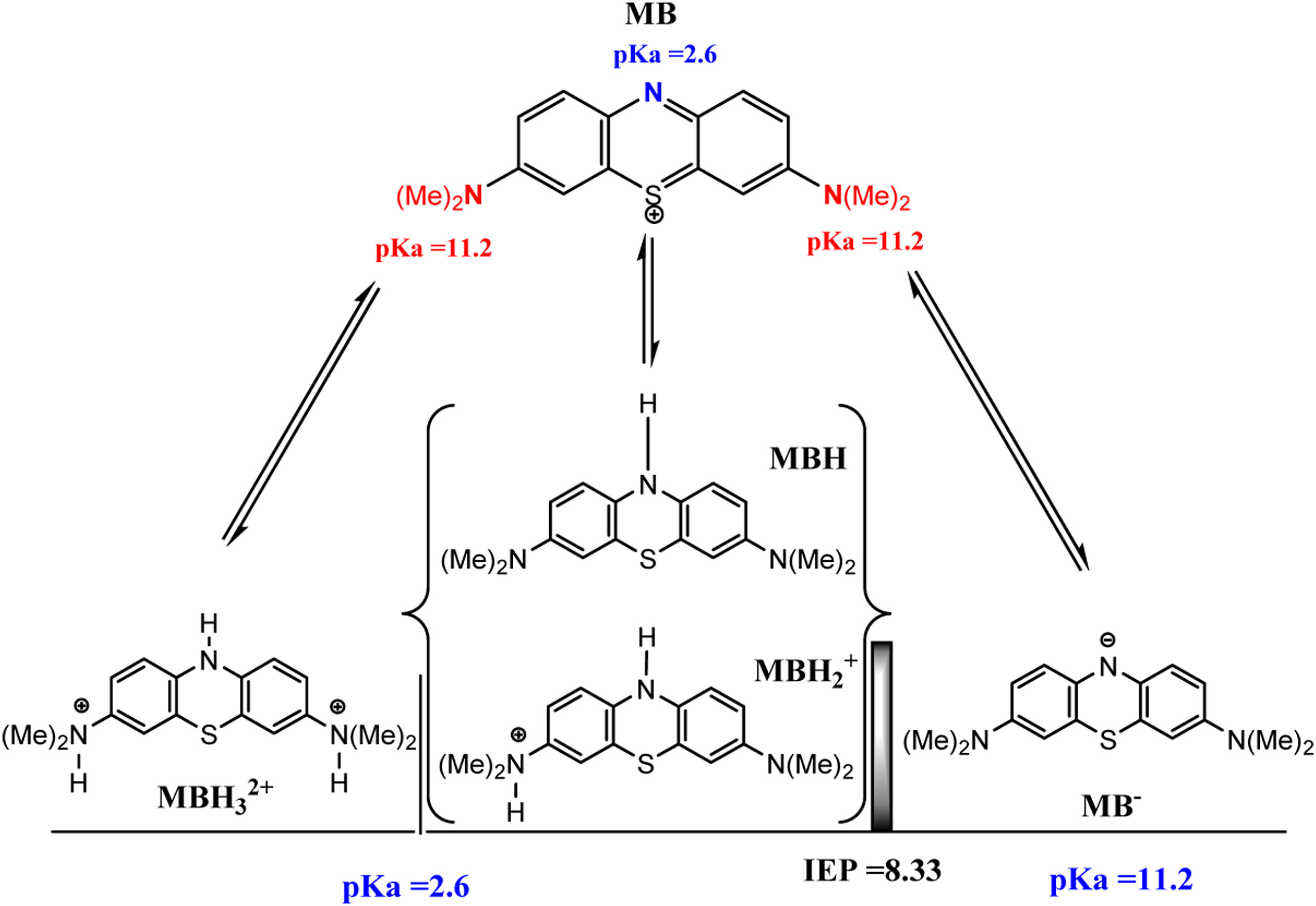
Methylene Blue
Type: Dye and medication
Uses:
Medical: Treats methemoglobinemia by reducing methemoglobin to hemoglobin.
Investigational: Malaria, neurodegenerative disorders.
Non-Medical: Biological staining, analytical chemistry, antimicrobial photosensitization.
Mechanism of Action: Functions as an electron donor in enzymatic reduction, particularly of methemoglobin in red blood cells.
Safety and Side Effects:
Common: Nausea, vomiting, diarrhea, discoloration of urine/skin (blue-green tint).
Overdose risk: Hemolytic anemia, especially in G6PD-deficient individuals.
Key Points:
Ferroptosis Induction: Methylene Blue promotes oxidative stress and lipid peroxidation, influencing tumor cell death pathways.
Enhances artemisinin efficacy through redox cycling, increasing reactive oxygen species (ROS) production.
Mitochondrial Impact: Reduces mitochondrial membrane permeability, activating intrinsic apoptosis pathways. These implications for cancer therapy involve targeting apoptosis signaling.
Sources: